By OLIVIA CHRISTIE, NEWS REPORTER and ANDREW LEVY, REPORTER
Hundreds of holidaymakers have been evacuated as firefighters battle large wildfires in Suffolk and London.
The
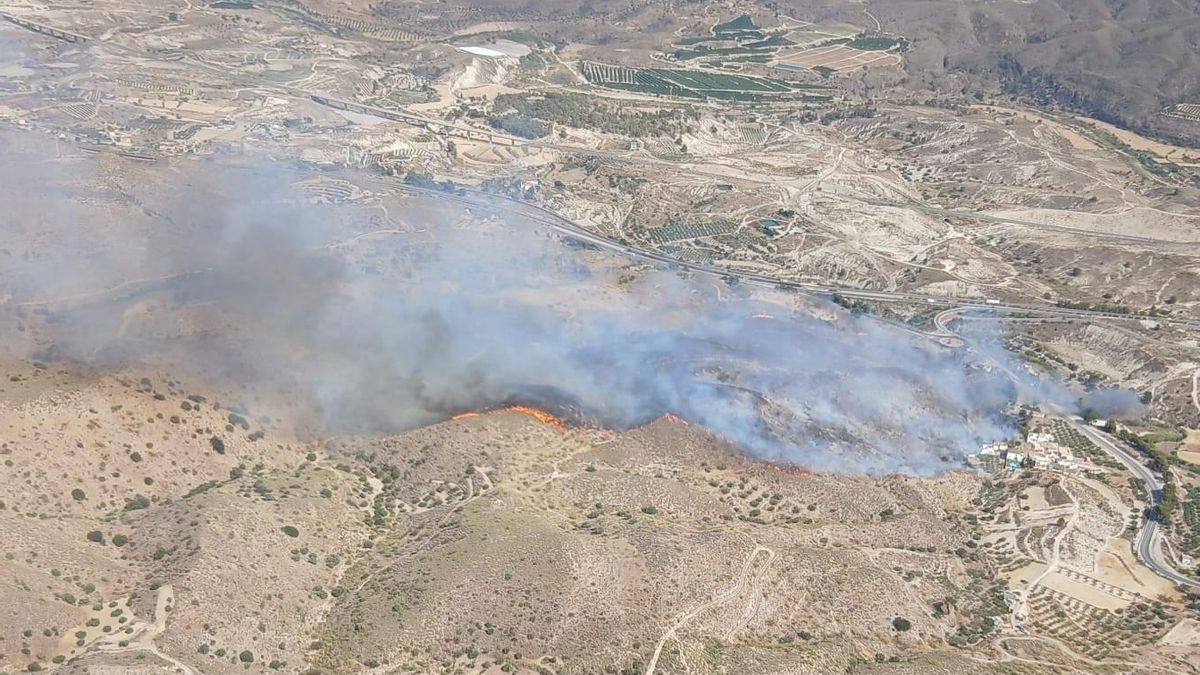
blaze on Dunwich Heath, Suffolk, which began at around 5.30pm
yesterday, is spreading rapidly in the direction of Sizewell B nuclear power station, about 2.5 miles away.
Suffolk
Fire and Rescue Service said it was working hard to protect seaside
holiday homes – with around 200 caravans evacuated overnight.
The
blaze on Dunwich Heath, which began at around 5.30pm yesterday, is
spreading rapidly in the direction of Sizewell B nuclear power station,
which is about 2.5 miles away
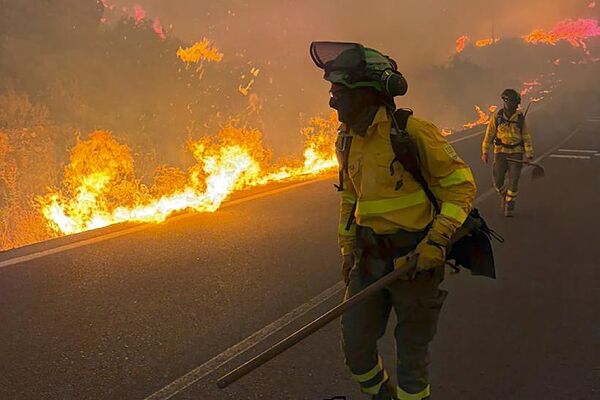
Fire crews are seen battling a fire in Romford, east London, yesterday where around 30 acres of grassland were destroyed
<p>Your browser does not support iframes.</p>
Fire crews tackle a blaze in London yesterday after temperatures reached 34C
In Suffolk, people have been urged to avoid the area and to keep their windows and doors closed due to the smoke.
Suffolk Fire and Rescue has declared the blaze a major incident 'due to the size and complexity'.
It began in heathland near the Coastguard Cottages, which are National Trust properties on the Suffolk coastline.
Justin
North said he and his wife woke up to 'hammering' on the door of his
holiday cottage at Dunwich Cliffs at about 11.30pm last night.
He told the BBC he was asked to 'go immediately' and is currently staying at Westleton Village Hall, alongside 48 other people who have also been evacuated.
Mr North said there was a 'kind of blitz spirit' and that people were just 'happy to be safe and out'.
Although
the fire is heading in the direction of Sizewell B – Britain's largest
nuclear power station – it is not believed to be a threat to the site.
Dan
Davis from Suffolk Fire and Rescue Service said: 'Crews from Leiston
attended the scene and were met with what is a large-scale, wind- driven
forestry fire.'
'The incident has subsequently been upgraded to a major incident.
'We currently have approximately 90 firefighters on scene working incredibly hard in arduous conditions to bring this fire under control.'
Grass in Blackheath, south-east London, has turned entirely brown
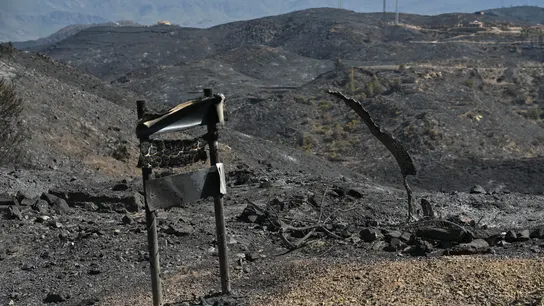
Blackened hillsides show the devastating aftermath of the wildfire surrounding Blaenavon, Torfaen in Wales
Weeks of minimal rain and the second hottest month on record in the UK has left the fields severely parched
Mr Davis added: 'I'd like to provide reassurance that we are going to remain on scene until we bring this fire under control.'
Dunwich
Heath, which has been managed by the National Trust for more than half a
century, is a vital breeding ground for rare birds including the
Dartford Warbler, Woodlark, Nightjar and stone curlew.
Neighbouring
RSPB Minsmere nature reserve is believed to have been ploughing a fire
break last night around Mount Pleasant Farm, north west of where the
fire broke out.
Suffolk Fire and Rescue Service have been called out to 89 wildfires so far this month, an increase of 28 incidents on July last year.
Tristan
Gale, the Suffolk county councillor responsible for the fire service,
revealed that by mid-July crews had responded to 162 fires in the open,
with 71 occurring within one week.
Many were preventable, he said.
Jon
Lacey, Suffolk Fire Service’s chief fire officer, warned of the
‘combination of hot weather and dry conditions creating the ideal
environment for fires to start and spread quickly’.
Crews had ‘already demonstrated their ability to deal with large and complex incidents this summer’, he said.
But he added: ‘The public remains our most important partner in preventing these fires from happening in the first place.’
Measures have already been put in place by the authorities to reduce the risk of fires in the county.
Babergh
District Council has brought forward the seasonal cutting of wildflower
meadows in East Bergholt to reduce the risk of field fires after a
blaze destroyed 80 hectares of cut straw, hedgerows and trees.
Farmers have also been creating fire breaks.
People gather on the brown grass at the very dry Primrose Hill as heatwaves continue
Empty deckchairs on dry grass at Green Park in London
The fires in London and Suffolk come after the UK Health Security Agency issued an amber heat-health alert for large swathes of the country.
The
alert remains in place until 9am on Thursday, with the agency
previously warning that rising temperatures may increase health risks,
particularly for vulnerable groups.
The
increased heat has led to fears and warnings that wildfires could
'spread rapidly' with southern and eastern parts of England's already
bone-dry landscapes particularly at risk.
Helen
Wakeham, director of water at the Environment Agency and chair of the
National Drought Group, said: 'The hot and dry weather means we are
currently using water faster than nature can replenish it.
'A second consecutive summer drought is an exceptionally serious situation and one that will have long-lasting impacts on our environment, wildlife and the economy.'
The
Met Office assessment showed any fires could be 'exceptionally severe'
by Wednesday if they start in parts of London, the South East and
eastern England.
Fire services in
England and Wales have so far responded to 706 wildfires in 2026, with
more than 200 recorded in the last two weeks, the National Fire Chiefs
Council said.
Eight wildfires are
currently burning and 'being monitored' across the UK, with fire chiefs
warning that there remains an 'elevated risk' of more igniting.
Separately, in Scotland, crews said they were making 'significant progress' tackling a wildfire in the Cairngorms that broke out two weeks ago.
A
number of homes in the remote region were evacuated as plumes of smoke
billowed into the sky, and vast swathes of trees, heather and grasslands
have been left charred and blackened.
Speaking
on the track on Wednesday, Scottish Fire and Rescue Service deputy
assistant chief officer Michael Humphreys told the Press Association
that fire crews are making progress in tackling the blaze.
However, he warned the risk of flare-ups remains high.
'It's been an absolutely devastating fire for wildlife and for the local community who have come out in force to really support us, which we really do appreciate,' he said.
'To control this fire, what we've had to put in place is a significant number of fire breaks.'
By Juan Pardo Navarro